Analysts Warn of Prolonged Delays in Energy Sector Recovery
Energy and shipping firms are hesitating to resume full operations in the Persian Gulf, according to industry experts, citing lingering uncertainty over regional hostilities. Analysts emphasized that without clear signals of stability, companies would avoid risking supply chains, exacerbating global energy shortages. The hesitation underscores a broader dilemma: balancing economic recovery with the safety of critical infrastructure.
The situation is compounded by the strategic importance of the Strait of Hormuz, a narrow waterway through which nearly 20% of the world’s oil flows. Analysts noted that even if hostilities ceased immediately, restoring full throughput would take weeks, disrupting markets already strained by geopolitical instability. This delay could trigger further price volatility, particularly as demand remains high amid economic recovery efforts.
Industry leaders have called for coordinated efforts to assess risks and secure insurance for resuming operations. However, without a resolution to the conflict, the energy sector faces a prolonged period of uncertainty, with ripple effects felt across global markets. The delay in restarting exports highlights the fragile interdependence between regional stability and global energy security.
Oil Tanker Incident Sparks Global Concern Over Strait of Hormuz
A recent incident involving an oil tanker off Basra, Iraq, has intensified fears about the vulnerability of the Strait of Hormuz. The vessel, caught in the crossfire of escalating tensions, serves as a stark reminder of the waterway’s strategic value and the risks it poses to global trade. Such disruptions could lead to prolonged delays in oil shipments, further straining an already fragile supply chain.
The incident has drawn immediate attention from energy markets, where traders are bracing for potential price spikes. Analysts warn that even partial blockages could send shockwaves through the global economy, particularly as industrial demand remains robust. The tanker’s location near the Strait of Hormuz underscores the precariousness of the region, where a single incident could trigger cascading effects on energy prices and supply chains.
Meanwhile, governments and energy firms are scrambling to secure alternative routes and contingency plans. However, the lack of a clear timeline for resolving the conflict leaves companies in limbo, unable to commit to long-term investments or operational expansions. The incident has become a symbol of the broader crisis threatening the stability of global energy markets.
Market Volatility and Diplomatic Pressure Mount as Conflict Lingers
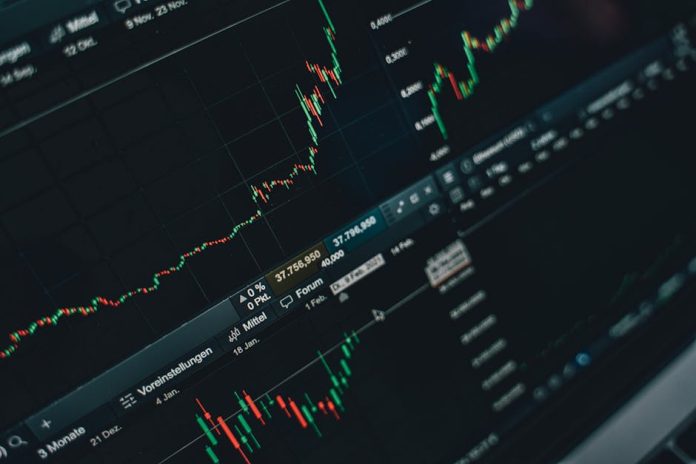
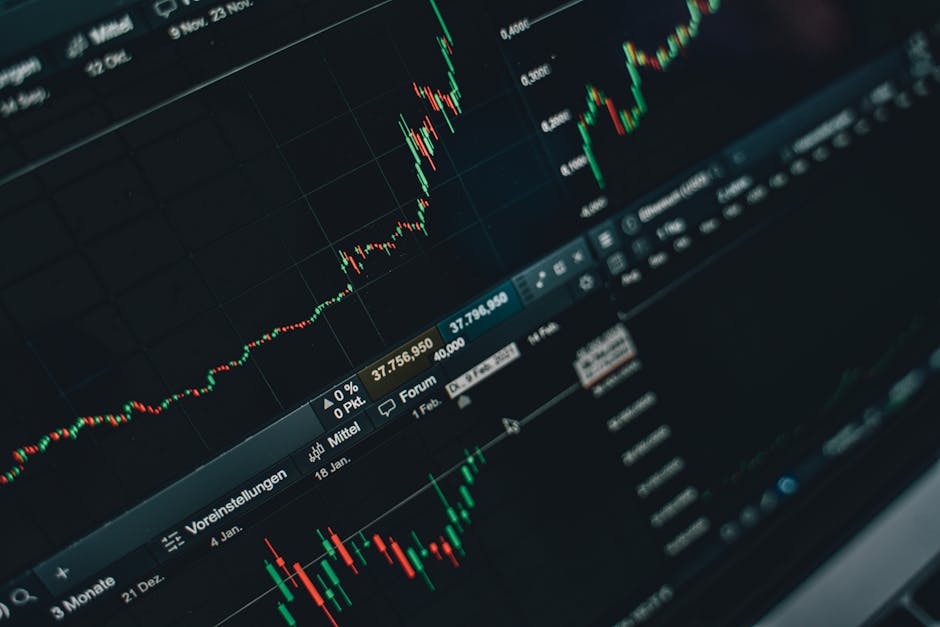
As the conflict persists, financial markets are under increased pressure to absorb the uncertainty. Oil prices have fluctuated sharply in recent weeks, reflecting traders’ anxiety over the potential for prolonged disruptions. The lack of a resolution has also led to calls for emergency meetings among energy-producing nations, though consensus on a unified response remains elusive.
Diplomatic efforts to de-escalate tensions have gained momentum, with regional actors vying to broker a ceasefire. However, the absence of a clear timeline for peace has left energy companies caught between competing interests and the need to protect their assets. The situation highlights the growing interplay between geopolitics and economic stability, with energy markets serving as a barometer of global risk.
The stakes for the global economy remain high, as prolonged instability in the Persian Gulf could lead to irreversible damage to energy infrastructure and supply chains. Without a swift resolution, the region’s strategic importance will continue to shape the trajectory of global markets, underscoring the urgent need for diplomatic intervention.
Conclusion
The prolonged uncertainty over the Strait of Hormuz and its surrounding regions has placed the global energy sector in a precarious position, with companies and markets bracing for extended disruptions. As tensions linger, the interplay between geopolitical stability and economic resilience will remain central to the unfolding crisis, with far-reaching implications for energy security and global trade.